Wedding Media Consent Without the Awkwardness
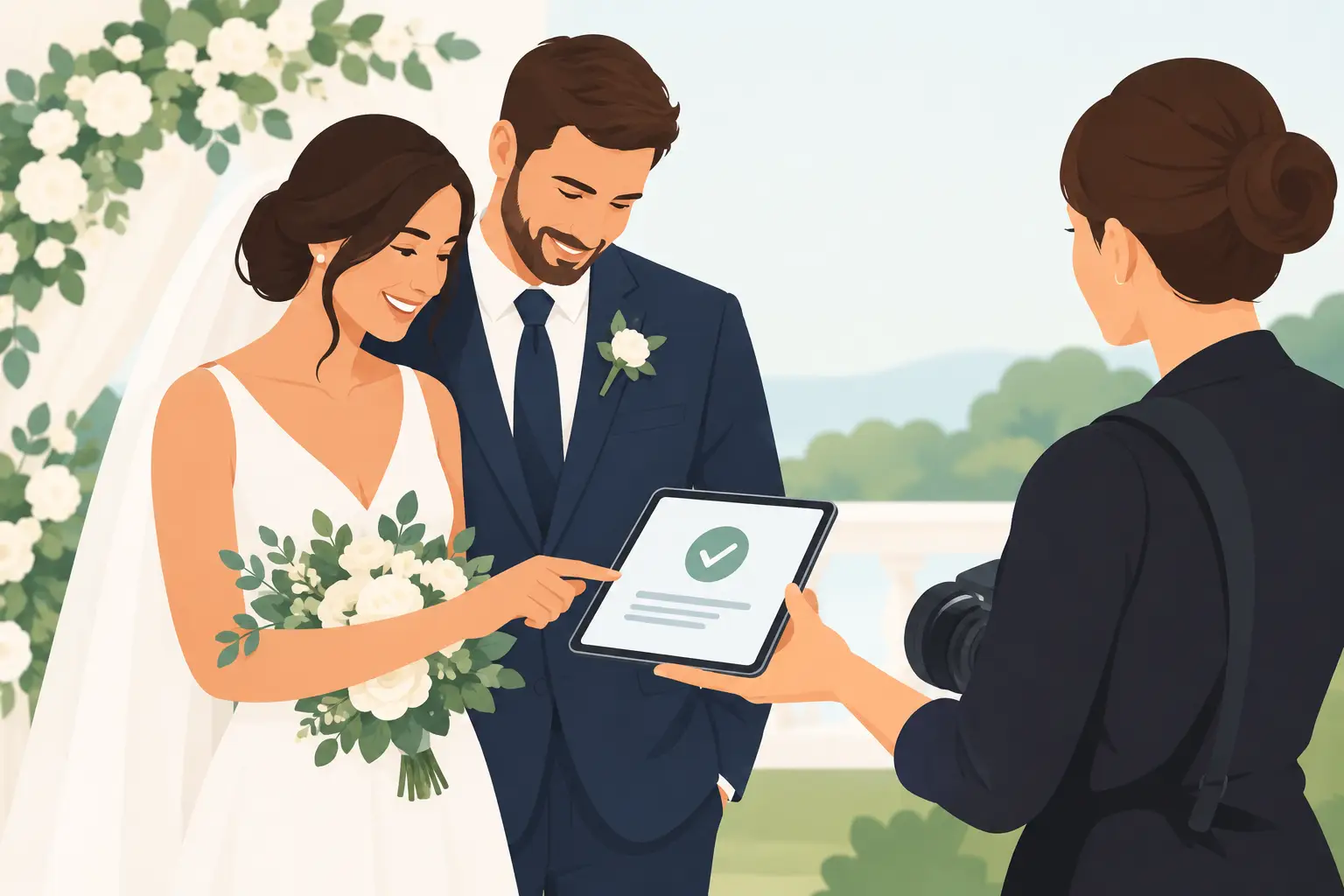
A guest catches your dad wiping away a tear during the vows. Your college friends film the dance floor at its happiest. Your niece takes 46 blurry photos of the cake, and somehow one becomes a favorite.
Those candid moments are the reason couples invite guests to share photos and videos. But a thoughtful wedding media consent plan makes the invitation feel good for everyone - including guests who prefer not to be photographed or do not want their image posted publicly.
This does not need to turn your reception into a legal department. It simply means being clear about what you are collecting, where it may appear, and how guests can opt out. The result is more trust, fewer surprises, and a wedding album people are genuinely happy to be part of.
What wedding media consent really means
Wedding media consent is permission for photos and videos taken at your celebration to be collected, stored, shared, or published. The details matter because those are not all the same thing.
A private album shared only with invited guests is very different from a public social post, a wedding vendor's portfolio, or a brand's marketing feed. Your photographer may also have a separate contract governing how they can use professional images. A guest-uploaded video, meanwhile, may be subject to the expectations you set at the event.
For most couples, the goal is simple: create a private place where loved ones can add their photos and videos, then tell them clearly how those memories will be used. If you later want to post a specific image publicly, especially one that centers another person, asking first is the gracious move.
Consent rules can vary by state and situation, particularly when recording audio, photographing minors, or using images commercially. This article offers practical planning guidance, not legal advice. If your event involves a sensitive family situation, celebrity guests, children, or media use beyond your personal wedding memories, a local attorney can help you set the right terms.
Start with the privacy choice that fits your day
Before writing a sign or printing a QR card, decide what kind of sharing you actually want. Privacy is easier to explain when you have already made the choice.
A private, guest-only gallery is often the most comfortable option. It gives everyone a place to contribute without turning your wedding into public content. This works especially well for couples who want the candid photos that never make it to the professional gallery, but do not want relatives scrolling through an open social feed.
A social-first wedding has a different feel. You might welcome guests to post with a hashtag, share Stories, and tag vendors. That can be joyful, but it also gives you less control over where media travels and how long it stays visible. Some couples choose a middle ground: guests can upload everything to a private album, while the couple selects only a few photos for public sharing later.
Your photographers, videographers, planner, venue, and other vendors may have their own policies. Ask them before the wedding whether they plan to share images online, submit them for publication, or use them in portfolios. If you have a no-posting preference before the ceremony or throughout the weekend, tell vendors in writing and include it in your timeline.
Make consent clear before guests arrive
The best wording is warm, brief, and repeated in the places guests naturally look. Do not hide a lengthy policy in tiny type at the bottom of a wedding website. A little clarity ahead of time prevents confusion when the music is loud and everyone is focused on celebrating.
Your wedding website is a natural starting point. Add a short note near the schedule or FAQ, especially if you have a private gallery, an unplugged ceremony, or a request not to post children online. Your invitation insert or pre-wedding email can reinforce it without sounding formal.
At the event, place the same expectation beside your guest-photo QR code, welcome sign, or table cards. The message should explain both the invitation and the choice. Guests should know they are welcome to contribute, but never pressured to appear in photos or share their own.
Here is language you can adapt for a private gallery:
> Share your favorite photos and videos from tonight in our private wedding album. By uploading, you confirm you are happy for us to save and share them with our invited guests. Please do not upload photos of anyone who has asked not to be photographed or shared.
If you may post selected guest media on social channels, say so plainly:
> We may share a few favorite moments from our private album on our wedding social channels. Prefer not to be included? Please let us know - we are happy to honor that.
That final sentence changes the tone. It tells guests that their comfort matters more than a perfect feed.
Give guests an easy way to opt out
Consent is not meaningful if someone has no practical way to decline. You do not need a public sign-up sheet or an awkward announcement. Just create a quiet, simple path.
A wedding party member, planner, or trusted family contact can be the person guests approach. Add their first name to the wedding website or tell close family privately. If someone asks not to be photographed, that person can discreetly alert your photographer and immediate family. If they ask not to appear in the shared gallery, avoid uploading identifiable images of them and remove anything that slips through.
For children, let parents lead. Some parents are comfortable with private family albums but not public posting. Others prefer no photos at all. Do not assume that a child attending a wedding means their image is available for every kind of sharing.
There are also moments when discretion is simply kind. A guest may be navigating a new job, a difficult family relationship, a health concern, or a personal safety issue. You do not need their reason. “Of course” is enough.
Separate guest sharing from vendor promotion
One of the most common sources of confusion is assuming that permission to attend or upload equals permission for commercial use. It does not always work that way.
If your florist wants to post a reception photo, if your venue wants to feature your ceremony, or if a photo booth company wants to use guest images in advertising, those requests deserve their own clear process. Vendor contracts often address this, but read them before signing. Ask whether you can limit usage, request approval, or exclude particular guests from promotional content.
The same standard applies if you are partnering with a brand, receiving sponsored services, or hosting a highly public event. Personal memory keeping and marketing are different uses. Treat them differently.
Build a photo-sharing experience guests can trust
The technology you choose shapes how comfortable people feel participating. Guests are more likely to share the funny, tender, unfiltered moments when they know where their files are going.
Look for a setup that is private by default, makes the album owner clear, and does not force guests to create an account just to contribute. A browser-based QR code flow also keeps the moment easy: scan, upload, return to the dance floor. With wed.photo, couples can create a private wedding album where guests upload full-resolution photos and videos through one QR code, without an app or login.
Still, simplicity should not erase context. Label the QR display with the couple's names and the purpose of the album. If a live slideshow will show submitted images during the reception, say that before guests upload. A photo that feels perfect for a private album may not be something a guest expects to see projected beside the dessert table.
Consider moderating live-display uploads if you have a large crowd, young guests, or a lively late-night reception. It adds a small step, but it can protect the atmosphere you worked so hard to create.
A few moments that deserve extra care
Most weddings run smoothly with a friendly notice and common sense. A little more planning helps when your guest list includes circumstances that change the stakes.
An unplugged ceremony is the clearest example. If you want phones away until cocktail hour, say so before the processional begins and again on ceremony signage. Guests will appreciate knowing they can take photos later rather than wondering whether they are breaking a rule.
Memorial displays, religious rituals, recovery-related celebrations, and private family reunions may call for a no-posting request. In those cases, direct language is kinder than vague hints: “Please enjoy this moment with us, but do not post photos from this portion of the evening.”
If you are planning to collect speeches or record audio, check local recording-consent laws and alert participants beforehand. Video is often expected at a wedding. Recorded conversations are more personal, and the legal rules can be different.
Keep the promise after the wedding
Your approach to consent continues after the last song. Review public posts before sharing them, especially if someone has asked for privacy. If a guest requests a removal, handle it quickly and without debate. Delete the image from your own album when appropriate, and ask anyone who received or reposted it to do the same.
Be careful with download links, too. A private album should not become an accidental public archive because its access details were forwarded widely. Share it with the people you intended to include, and consider how long you want it available.
The most beautiful guest photos are rarely the posed ones. They are the in-between glances, the dance-floor chaos, the people you love being fully present. Give guests clarity, give them choice, and they will have more room to share the moments you will want to keep forever.